
Kelt 8.50 — The Purity of a Visionary Sailboat
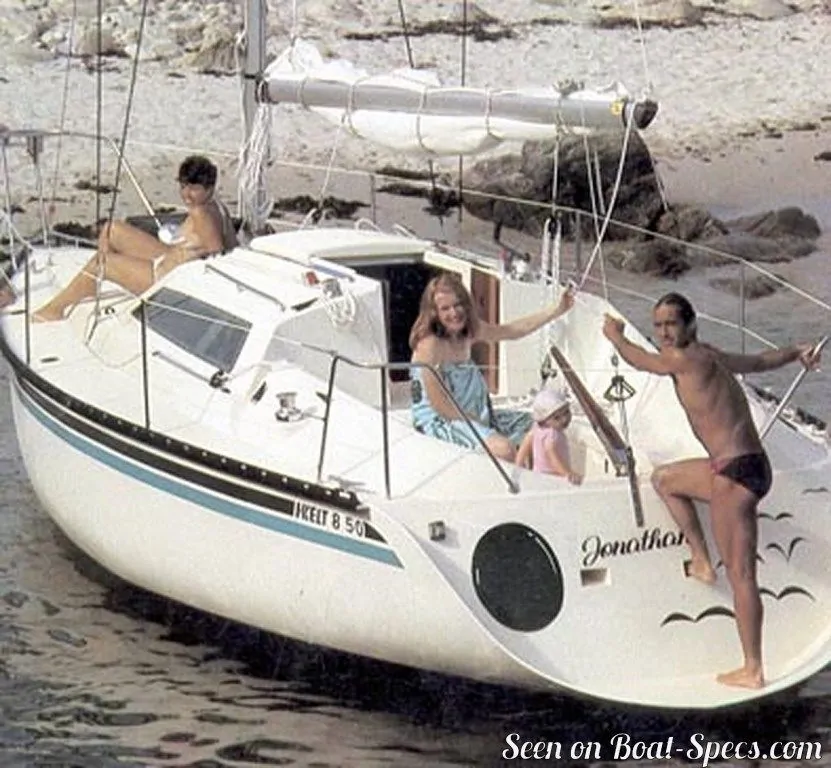
Designed in 1983 by Gilles Vaton, the Kelt 8.50 belongs to that generation of cruising yachts which successfully combined architectural boldness with genuine seafaring integrity. Its launch marked a clear stylistic departure: rounded bow, panoramic coachroof, integrated transom platform — features that reflect a mature and deliberate understanding of how a yacht is truly used at sea.
This is not a stylistic exercise; it is, above all, a vessel conceived for sailing.
Architecture and Hull: Hydrodynamic Coherence
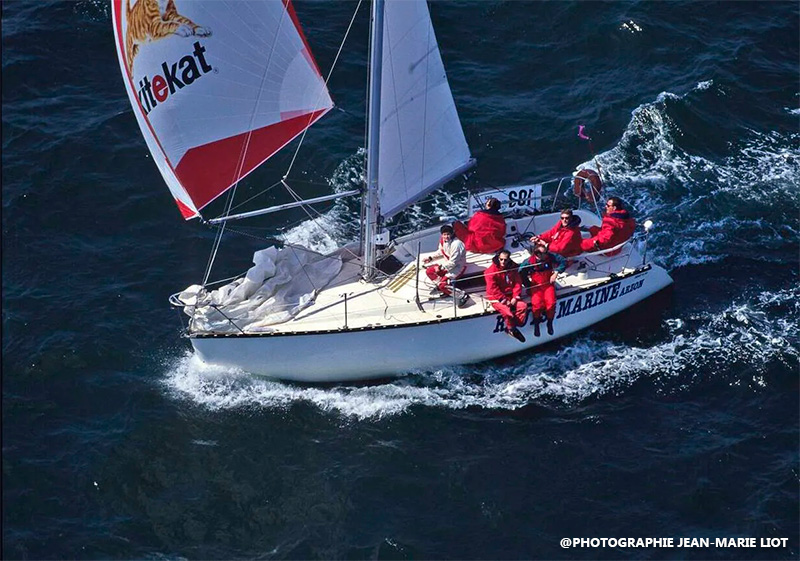
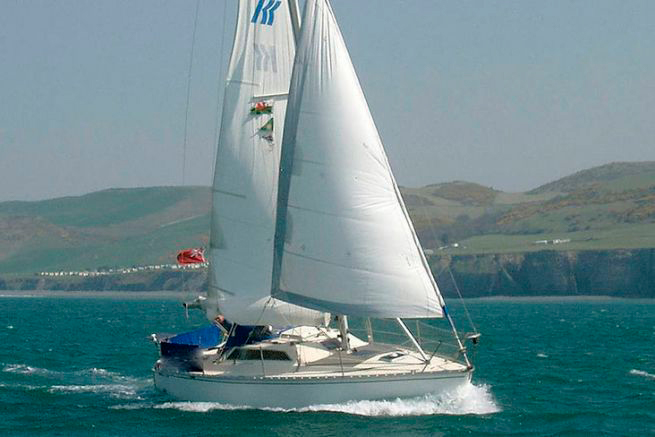
The hull of the Kelt 8.50 reveals a refined grasp of dynamic balance. Her moderate displacement, substantial ballast ratio and well-proportioned beam create a coherent and harmonious whole. Under sail, she remains composed and responsive, firmly set on her lines, capable of decisive acceleration without harshness.
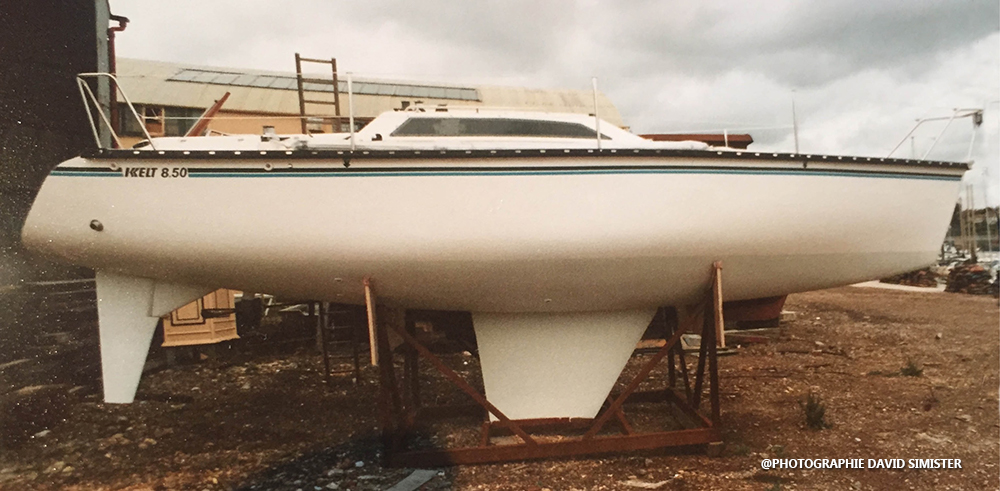
The fin-keel version provides classic and efficient directional stability. The lifting-keel (centreboard) configuration is built around a cast-iron grounding plate protecting the hull when dried out, complemented by lateral stabilising fins ensuring transverse stability. This arrangement grants access to significant tidal ranges and shallow anchorages without compromising structural integrity.
Hard on the wind in fresh conditions, some owners report a slight rudder ventilation in the lifting-keel version — a known and manageable characteristic, reflecting a deliberately uncluttered aft body.
Deck Layout: Ergonomics and Circulation
The panoramic coachroof clears the side decks and enables fluid movement forward. The deep cockpit, with protective coamings, offers secure bracing for helmsman and crew during sustained passages. The broad transom platform facilitates boarding from a tender and enhances safety while manoeuvring at anchor.
Every deck feature stems from functional intent rather than decorative concession.
Interior Volumes: Light and Rational Design
Below deck, natural light constitutes one of the yacht’s defining signatures. The forward “Breton berth” layout optimises internal volume while preserving ease of movement. The saloon benefits from generous headroom for an 8.50-metre yacht, while the aft cabin offers unexpectedly practical accommodation.
The monolithic glass-fibre reinforced polyester laminate construction prioritises structural robustness. Early Kelt production models display straightforward yet sound finishing; later units built under Kirié exhibit more refined joinery and improved detailing.
Overall Philosophy
With over 1,200 units produced between 1983 and 1999, the enduring validity of the original design is beyond dispute. Renamed successively Kelt 29, Feeling 29 and later Feeling 306, the yacht retained the same architectural matrix: seaworthy, versatile, coherent.
This is not a yacht designed to impress through effect.
It convinces through balance.


Technical Specifications
- Naval Architect: Gilles Vaton
- Builder: Kelt Marine
- Year of Launch: 1983
- Type: Cruising monohull
- Length Overall (LOA): 8.50 m
- Length at Waterline (LWL): 7.40 m
- Beam: 3.06 m
- Draft: 1.60 m (fin keel) / 0.64–1.73 m (lifting keel)
- Displacement: 2,900 kg
- Ballast: 1,200 kg
- Sail Area: 44 m²
- Hull Material: Monolithic GRP laminate
- Rudder: Single spade rudder
- Engine: Inboard diesel 10–15 hp
- Drive: Shaft drive
- Appendage Configuration: Fin keel or lifting keel
- Total Production: Approx. 1,200 units (1983–1999)
- Distinctive Features: Rounded bow, panoramic coachroof, broad transom platform


